In today’s fast-paced digital landscape, businesses recognize artificial intelligence (AI) as a game-changer. However, implementing AI strategies that align with business goals remains a significant challenge.
Many organizations have a vision for AI-driven transformation but lack the expertise, infrastructure, or workforce to execute it effectively.
This is where AI outsourcing becomes essential. By partnering with an AI consultant or business consultant specializing in AI strategy, companies can seamlessly bridge the gap between their vision and execution.
The Growing Demand for AI Outsourcing
AI outsourcing is on the rise, driven by the need for technical expertise, cost efficiency, and faster deployment of AI solutions.
Businesses understand the potential of AI in improving efficiency, automating operations, and gaining valuable insights from data. However, developing an in-house AI team requires significant time, investment, and expertise, which many organizations cannot afford.
By outsourcing AI development and implementation, businesses gain access to a pool of specialized professionals who can bring their AI strategy to life.
Whether it’s through machine learning, natural language processing, or predictive analytics, AI outsourcing enables organizations to leverage cutting-edge technology without the burden of extensive internal development.
The Role of an AI Consultant in Execution
An AI consultant plays a crucial role in guiding businesses through the AI adoption process by helping organizations define their AI strategy, assess technical feasibility, and select the right AI tools and frameworks.
A well-structured AI strategy takes into account factors such as data availability, scalability, security, and compliance requirements.
Through AI consulting services, businesses can make informed decisions regarding the appropriate AI technologies to implement, data management and model training methodologies, and the integration of AI with existing business processes.
Additionally, they help in evaluating potential risks, addressing ethical concerns, and ensuring compliance with industry regulations.
A skilled AI consultant not only provides technical expertise but also ensures that AI solutions align with business goals, ultimately maximizing return on investment.
How AI Outsourcing Aligns with Business Objectives
Outsourcing AI functions to external experts allows companies to focus on their core business activities while ensuring the successful execution of their AI initiatives. AI outsourcing services can support various business objectives, including:
1. Enhancing Operational Efficiency
AI-powered automation reduces manual effort and streamlines business processes. By outsourcing AI development, organizations can deploy intelligent automation systems for tasks like customer support, data analysis, and decision-making without needing to build in-house AI capabilities.
2. Accelerating Product Development
AI-driven innovations enhance product design, development, and personalization. AI outsourcing enables companies to integrate AI into their products and services faster, gaining a competitive edge in the market.
3. Cost Optimization
Building an AI team in-house requires recruiting skilled professionals, investing in computing infrastructure, and maintaining ongoing AI model updates. Outsourcing AI development minimizes these costs, as businesses only pay for the expertise they need.
4. Gaining Access to AI Expertise
AI is a complex field requiring expertise in data science, machine learning, and AI ethics. By outsourcing AI tasks, businesses gain access to experienced AI specialists who bring domain-specific knowledge and technical proficiency.
5. Scaling AI Solutions
AI adoption is not a one-time process; it requires ongoing updates and scalability. AI outsourcing providers ensure that AI solutions grow with the business, making them adaptable to future challenges and opportunities.
Key AI Outsourcing Services and Their Benefits
AI outsourcing covers a range of services that help businesses implement AI solutions efficiently. Some key AI outsourcing services include:
1. AI Strategy Consulting
Before implementing AI, businesses need a solid AI strategy. AI strategy consulting services help organizations identify AI opportunities, set realistic goals, and develop a roadmap for AI integration.
2. Machine Learning Model Development
Developing machine learning models requires expertise in data preprocessing, algorithm selection, and model evaluation. AI outsourcing firms specialize in creating custom AI models that address specific business needs.
3. AI-Powered Chatbots and Virtual Assistants
Many businesses leverage AI chatbots to improve customer interactions. Outsourcing chatbot development ensures the implementation of intelligent conversational AI tailored to customer preferences.
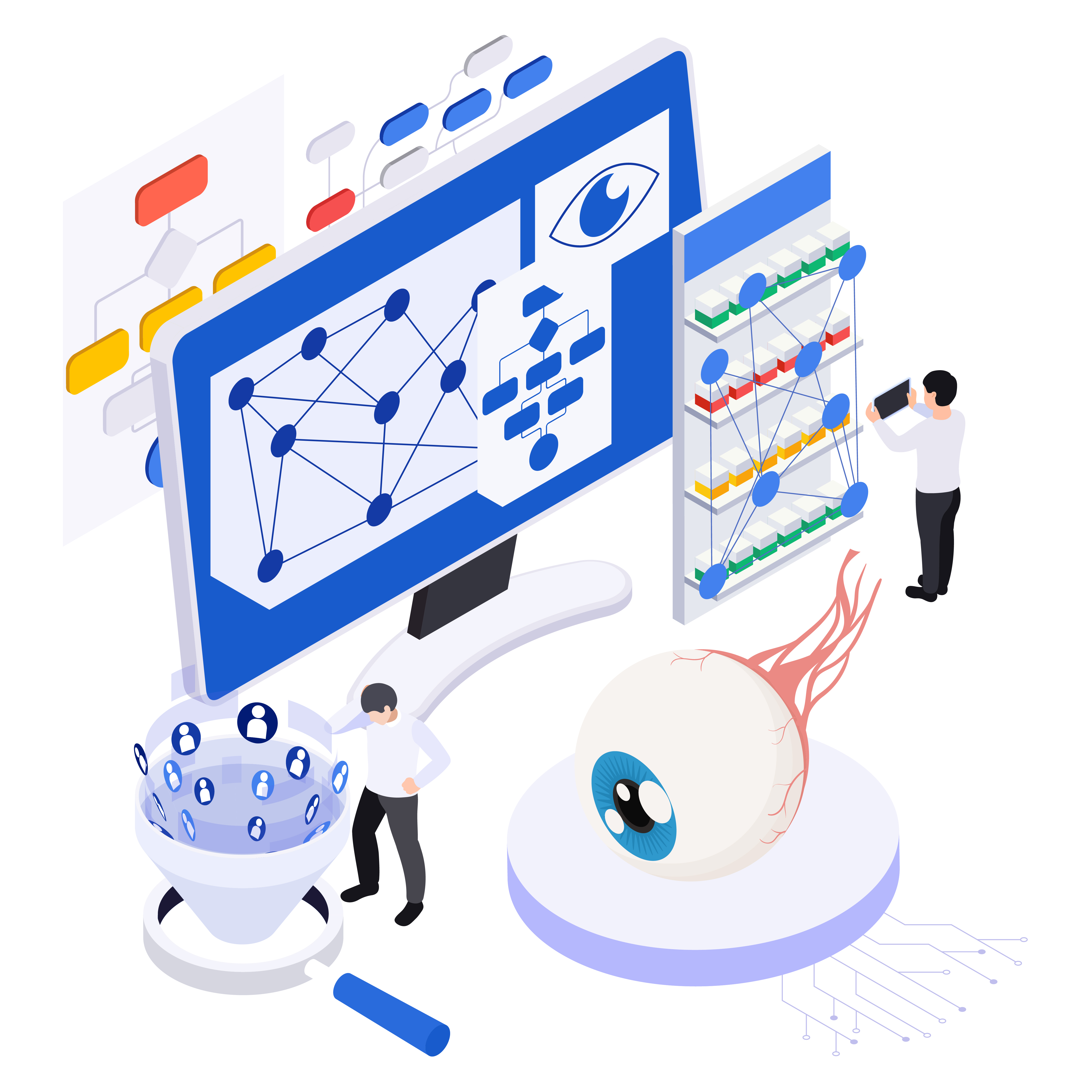
4. Computer Vision and Image Processing
AI-driven image and video analysis have applications in security, healthcare, and e-commerce. AI outsourcing partners can develop computer vision solutions for facial recognition, object detection, and automated quality control.
5. AI in Data Analytics and Predictive Insights
AI enhances business intelligence by analyzing large datasets to uncover trends and make predictions. Outsourcing AI-driven analytics helps companies derive actionable insights from their data.
6. Natural Language Processing (NLP)
NLP applications, such as sentiment analysis and text summarization, improve content management and customer feedback analysis. AI outsourcing firms provide NLP expertise to optimize business operations.
Challenges of AI Outsourcing and How to Overcome Them
While AI outsourcing provides numerous benefits, it comes with challenges that businesses must navigate carefully. Common challenges include:
1. Data Privacy and Security Concerns
AI relies on large datasets, and outsourcing may require sharing sensitive information with third-party providers. To address this, businesses should establish strong data protection agreements, encrypt data, and comply with regulatory standards.
2. Quality Control and Accountability
Outsourced AI solutions must meet business requirements and performance standards. Organizations should set clear expectations, conduct regular performance reviews, and maintain transparent communication with AI vendors.
3. Integration with Existing Systems
AI solutions must integrate seamlessly with existing business infrastructure. AI outsourcing partners should provide APIs, middleware solutions, and support for smooth integration.
4. Ethical and Bias Considerations
AI systems must be fair and unbiased. Organizations should work closely with AI consultants to ensure ethical AI practices, bias detection, and fairness in decision-making algorithms.
The Future of AI Outsourcing
AI outsourcing is poised to grow as businesses continue to seek AI-driven transformation. Emerging trends in AI outsourcing include:
AI as a Service (AIaaS): More companies are adopting cloud-based AI solutions that require minimal in-house expertise.
Explainable AI (XAI): Businesses are prioritizing transparency and interpretability in AI models to build trust.
Industry-Specific AI Solutions: AI outsourcing providers are developing tailored AI applications for healthcare, finance, retail, and manufacturing.
AI and IoT Integration: AI-driven automation in smart devices and connected systems is expanding across industries.