The Future is Here: Leveraging the Best New Trends in AI Tech and AI Tools for Your Business
Artificial Intelligence (AI) has been a buzzword in the tech industry for years, but the rapid advancements in this field have been truly remarkable. From machine learning algorithms that can outperform humans in complex tasks to natural language processing that powers intelligent chatbots, the capabilities of AI are continuously expanding. As a business leader, it’s essential to stay up-to-date with the latest AI trends and tools that can give your company a competitive edge.
In this detailed blog post, we’ll delve into the top new trends in AI tech and AI tools that forward-thinking companies should be utilizing to drive innovation and growth.
- Generative AI: The Rise of Intelligent Content Creation
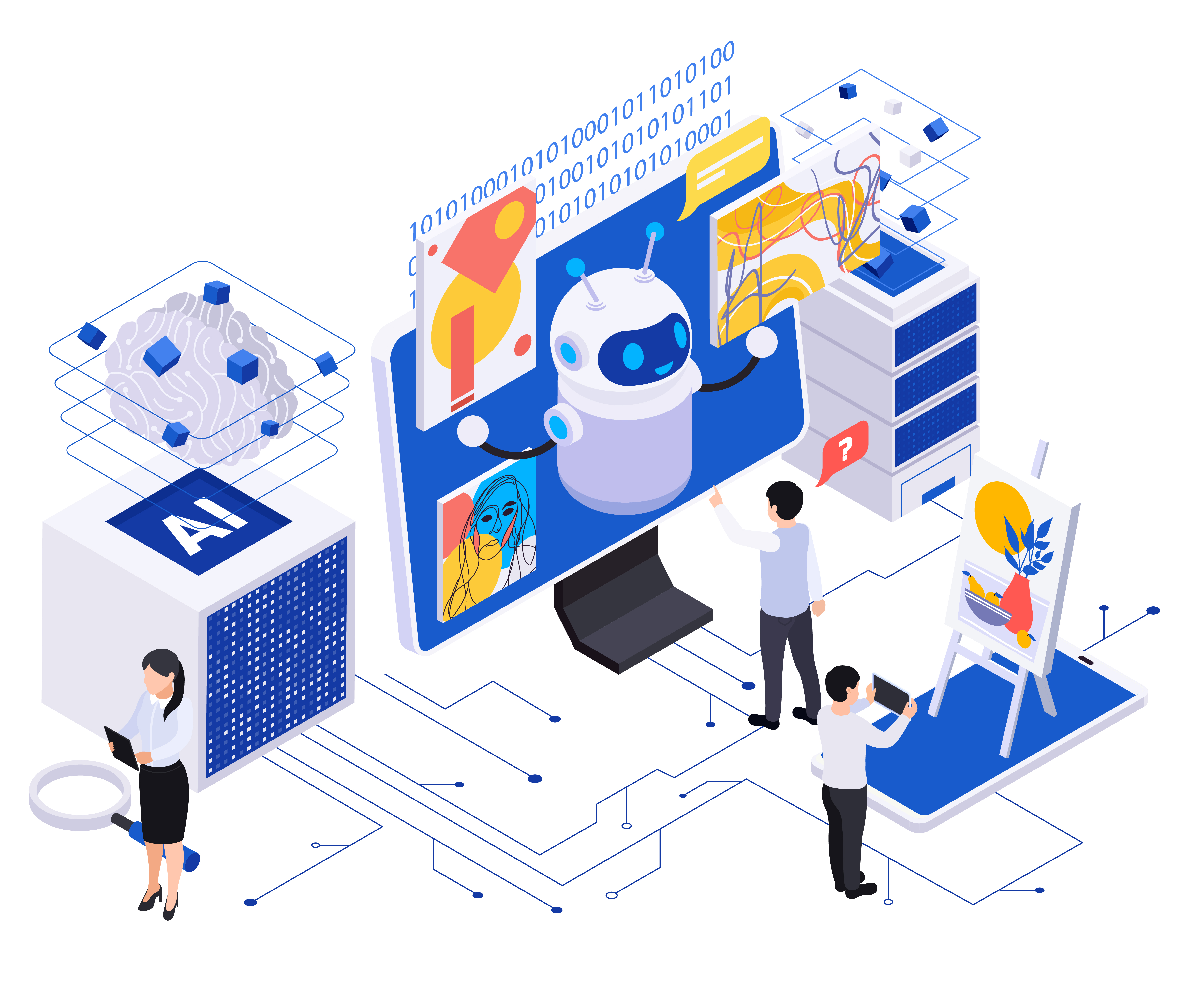
One of the most exciting developments in the world of AI is the emergence of generative AI models, such as GPT-3 and DALL-E. These advanced language models can be used to generate human-like text, create images, and even produce code – all with remarkable accuracy and creativity.
For businesses, generative AI presents a wealth of opportunities. Companies can leverage these tools to automate content creation, from blog posts and social media updates to product descriptions and marketing materials. By freeing up valuable time and resources, generative AI can help organizations scale their content efforts and reach a wider audience more efficiently.
Moreover, the ability to generate unique, high-quality visuals through tools like DALL-E can revolutionize the way companies approach branding, product design, and visual storytelling. With the power of generative AI, businesses can create custom images, illustrations, and even videos that perfectly align with their brand identity and marketing goals.
- Conversational AI: Enhancing Customer Experiences with Intelligent Chatbots
Another AI trend that is transforming the way businesses interact with their customers is conversational AI. Intelligent chatbots and virtual assistants powered by natural language processing (NLP) and machine learning can now engage in human-like dialogues, providing personalized support, answering questions, and even completing transactions.
By implementing conversational AI solutions, companies can improve customer satisfaction, increase operational efficiency, and free up their human customer service representatives to focus on more complex inquiries. Chatbots can be deployed across a variety of channels, including websites, mobile apps, and messaging platforms, ensuring that customers can access the information they need quickly and conveniently.
Moreover, the latest advancements in conversational AI allow for more natural and contextual interactions, with chatbots that can understand and respond to nuanced language, remember previous conversations, and even display empathy and personality. This level of sophistication can help businesses build stronger, more meaningful relationships with their customers.
- Computer Vision: Unlocking the Power of Visual Data
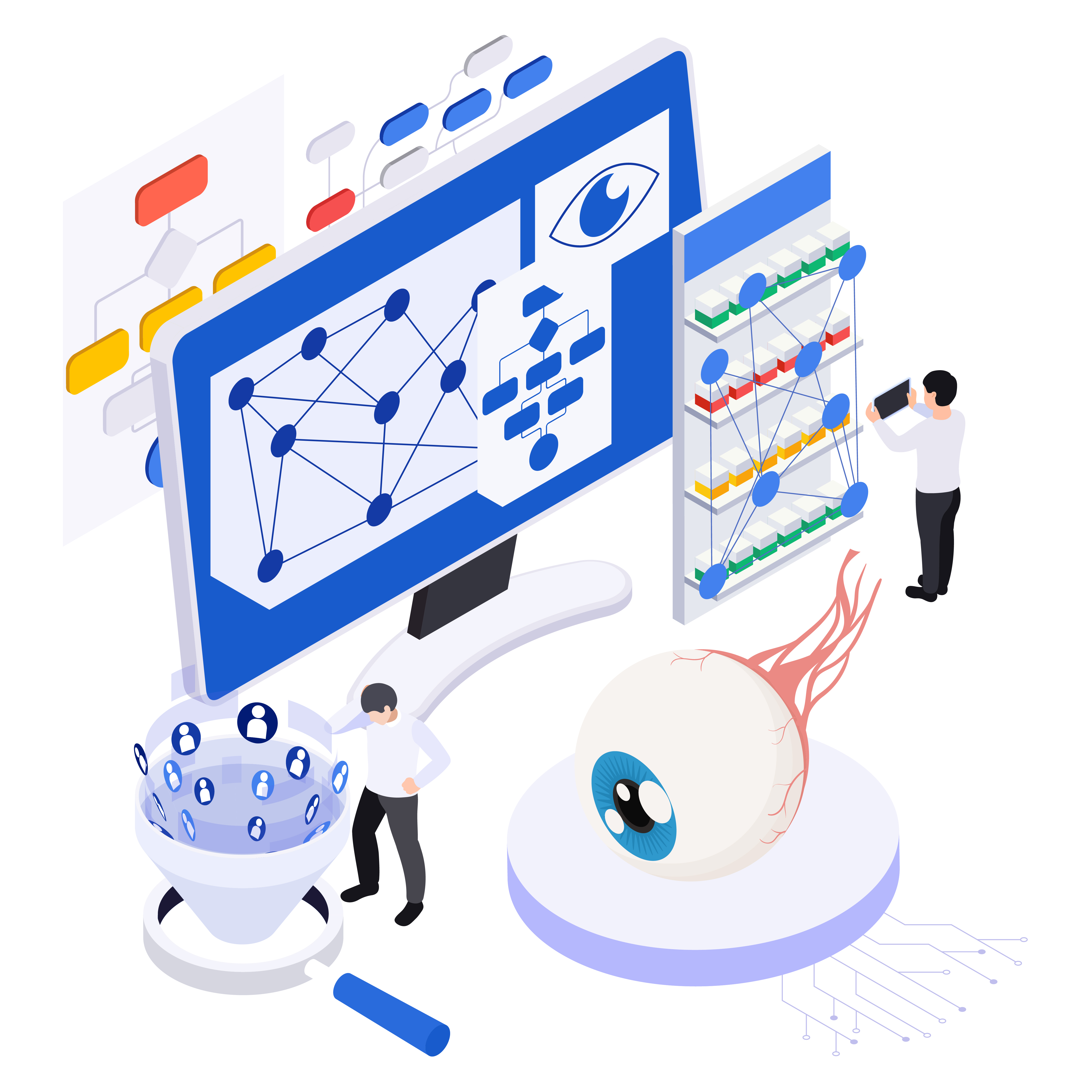
Computer vision, a subfield of AI that focuses on the ability of machines to interpret and understand digital images and videos, is another area that is transforming the way businesses operate. From automated quality control and inventory management to enhanced security and surveillance, the applications of computer vision are vast and diverse.
For example, companies in the manufacturing and logistics industries can use computer vision-powered solutions to automate the inspection of products, detect defects, and optimize warehouse operations. Retailers can leverage computer vision to track customer behavior, improve in-store layouts, and enhance the overall shopping experience.
Furthermore, the integration of computer vision with other AI technologies, such as natural language processing and predictive analytics, can lead to even more powerful and versatile applications. Businesses can use these combined capabilities to extract insights from visual data, make data-driven decisions, and gain a competitive edge in their respective markets.
- Robotic Process Automation (RPA): Streamlining Repetitive Tasks
Robotic Process Automation (RPA) is another AI-powered technology that is transforming the way businesses operate. RPA involves the use of software “robots” to automate repetitive, rule-based tasks, such as data entry, invoice processing, and customer onboarding.
By leveraging RPA, companies can improve efficiency, reduce errors, and free up their employees to focus on more strategic and creative work. RPA can be particularly beneficial for businesses with high-volume, high-frequency tasks that are prone to human error or require significant time and resources.
Moreover, the latest advancements in RPA have made the technology more accessible and user-friendly, allowing businesses of all sizes to implement it effectively. RPA solutions can now be easily integrated with existing systems and workflows, making the implementation process smoother and more seamless.
- Predictive Analytics: Unlocking Insights and Driving Informed Decision-Making
The ability to analyze and extract meaningful insights from data is a crucial component of any successful business strategy. Predictive analytics, powered by machine learning algorithms, can help organizations make more informed decisions, anticipate future trends, and optimize their operations.
By leveraging predictive analytics, companies can forecast customer demand, identify potential risks, and make data-driven decisions that align with their strategic objectives. This technology can be applied across a wide range of industries, from retail and finance to healthcare and manufacturing.
For example, predictive analytics can help retailers predict customer behavior, optimize pricing and inventory, and personalize their marketing efforts. In the healthcare industry, predictive analytics can be used to identify high-risk patients, predict disease outbreaks, and improve patient outcomes.
As the volume and complexity of data continue to grow, the importance of predictive analytics will only increase. Businesses that invest in this technology and develop the necessary data analysis and interpretation skills will be well-positioned to stay ahead of the competition and drive sustainable growth.
Embracing the Future of AI: Strategies for Successful Implementation
As you explore these AI trends and tools, it’s important to remember that successful implementation requires a strategic and well-planned approach. Here are some key considerations to keep in mind:
- Align AI initiatives with your business goals: Ensure that your AI investments are directly tied to your company’s strategic objectives and priorities.
- Develop a strong data foundation: Effective AI applications rely on high-quality, well-organized data. Invest in data management and governance to ensure your data is accurate, secure, and accessible.
- Foster a culture of innovation and collaboration: Encourage cross-functional collaboration and empower your employees to explore and experiment with AI technologies.
- Prioritize ethical and responsible AI practices: Implement robust governance frameworks to ensure your AI applications adhere to ethical principles and mitigate potential risks.
- Continuously monitor and optimize: Regularly evaluate the performance and impact of your AI initiatives, and be prepared to adapt and refine your approach as needed.
By embracing these best new trends in AI tech and AI tools, and implementing them strategically, your business can unlock unprecedented opportunities for growth, innovation, and competitive advantage. The future of AI is here, and the time to act is now.